
Microsurgical and Disposable Scalpels for Oral Surgery
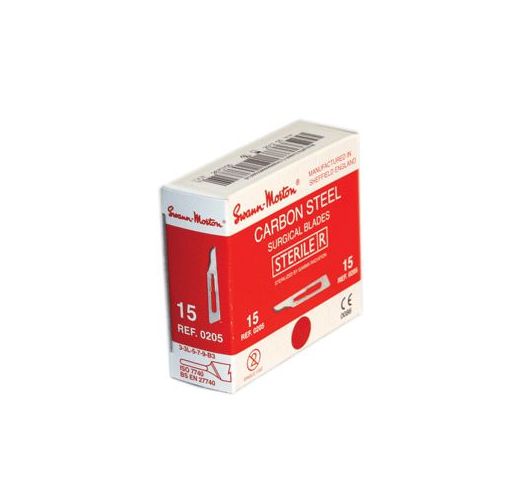
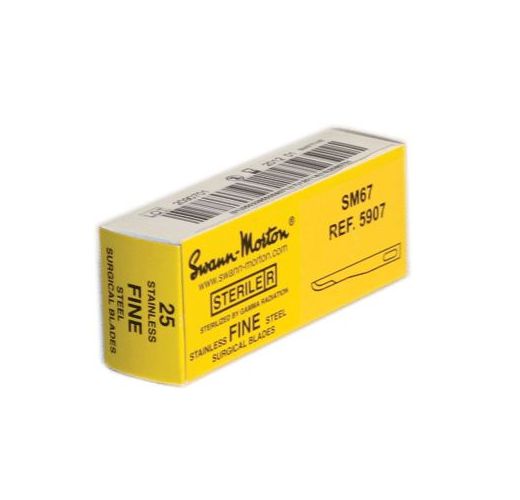
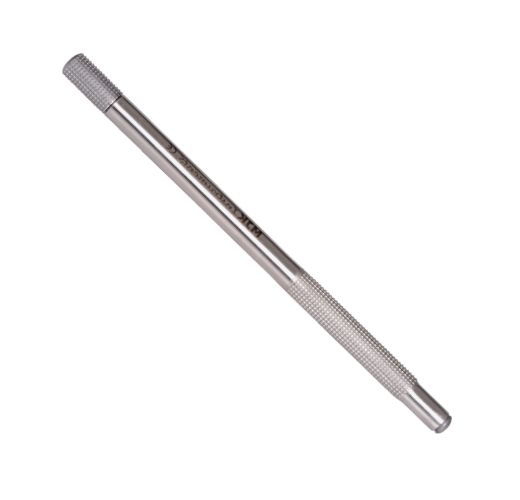
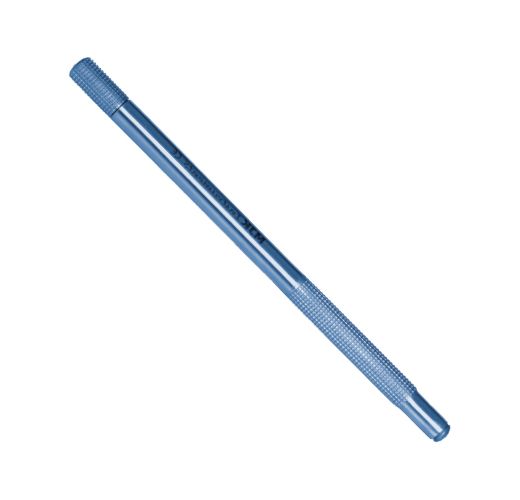
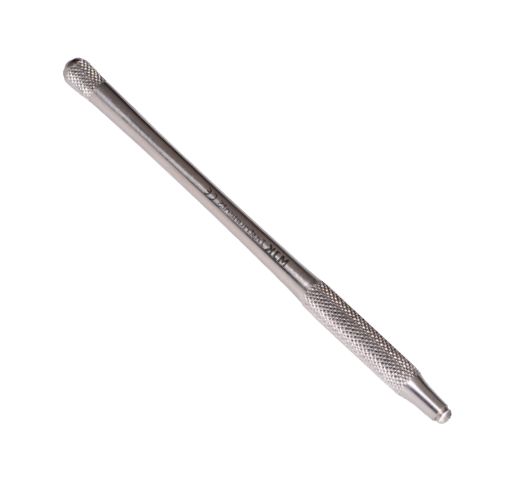
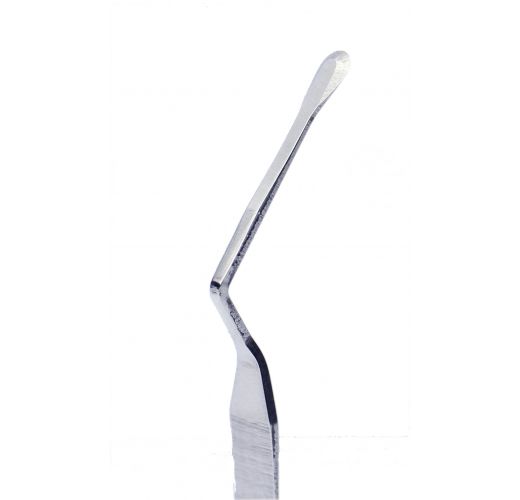
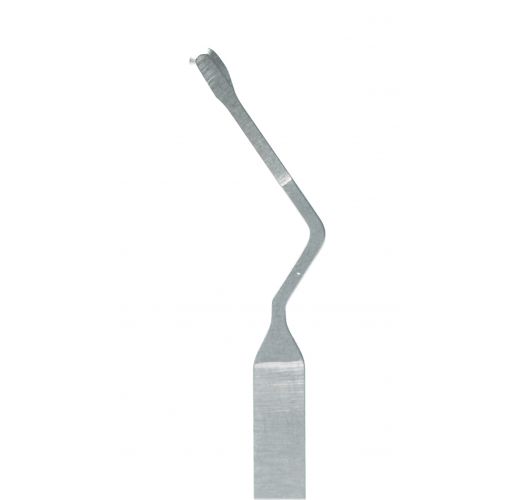
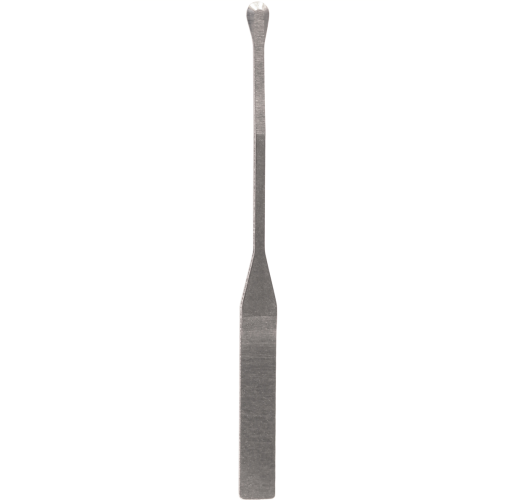
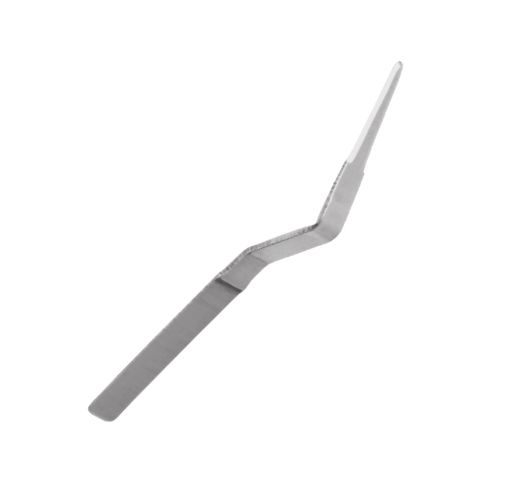
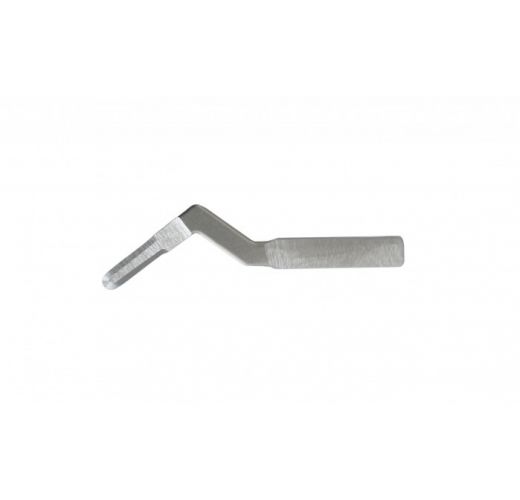
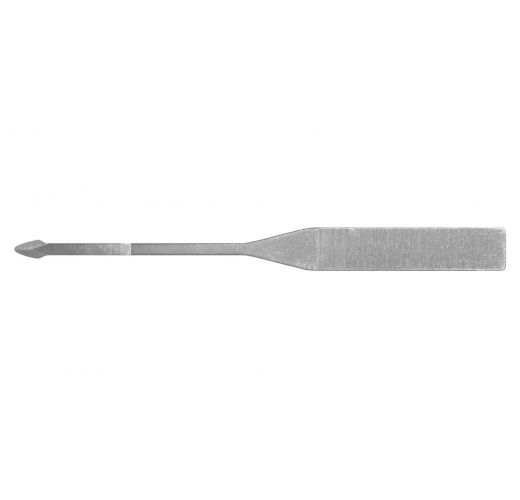
Microsurgical and disposable scalpels are essential cutting instruments in oral surgery, implantology and periodontal procedures where precision and tissue control are critical.
This category includes sterile, single-use solutions designed for clean incisions, minimally invasive approaches and predictable surgical outcomes.


Soluciones para Microsurgical and Disposable Scalpels for Oral Surgery
Precision Cutting Instruments for Oral and Implant Surgery
Soft tissue management is a decisive factor in surgical success. Microsurgical and disposable scalpels allow clinicians to perform clean, controlled and atraumatic incisions, improving visibility and supporting optimal healing.
In procedures such as guided bone regeneration, sinus lift surgery, connective tissue grafting or peri-implant surgery, blade sharpness and ergonomic design directly impact flap management and surgical accuracy.
Single-use sterile scalpels also enhance infection control protocols and procedural efficiency in daily clinical practice.
Microsurgical Scalpels in Periodontal and Implant Microsurgery
High-precision incisions in delicate tissues
Microsurgical scalpels are specifically designed for procedures requiring extreme precision and minimal tissue trauma, including:
-
Advanced mucogingival surgery
-
Connective tissue grafts
-
Periodontal plastic surgery
-
Tunnel techniques
-
Interimplant papilla management
Their fine blades enable millimetric incisions with enhanced tactile feedback, reducing tissue tearing and improving flap adaptation.
Improved flap control and esthetic outcomes
Precise incision lines contribute to tension-free closure and stable suturing, particularly in esthetic areas where gingival margin preservation is essential.
Disposable Scalpels in Conventional Oral Surgery
Clinical safety and workflow optimization
Disposable surgical scalpels are widely used in:
-
Surgical extractions
-
Preprosthetic surgery
-
Dental implant placement
-
Access flaps for bone regeneration
-
Soft tissue biopsies
Sterile single-use instruments eliminate cross-contamination risks and simplify surgical logistics.
Blade configurations adapted to surgical needs
Different blade designs — straight, curved or fine-pointed — allow optimal access in posterior regions, narrow ridges and anatomically complex areas.
Choosing the appropriate blade improves incision quality and operator comfort.
Selecting the Right Surgical Scalpel
When choosing microsurgical or disposable scalpels for dental practice, clinicians should consider:
-
Type of surgical procedure
-
Gingival biotype
-
Anatomical access
-
Esthetic requirements
-
Personal ergonomic preference
Proper instrument selection enhances surgical predictability and reduces tissue trauma.
Role in Modern Implant and Regenerative Surgery
In contemporary implantology and minimally invasive surgery, incision design is a strategic step. Proper soft tissue management influences:
-
Implant primary stability
-
Membrane adaptation in guided bone regeneration
-
Tension-free wound closure
-
Preservation of gingival architecture
Microsurgical and disposable scalpels are therefore not basic consumables, but key instruments in achieving consistent surgical outcomes.