
Resorbable Membranes
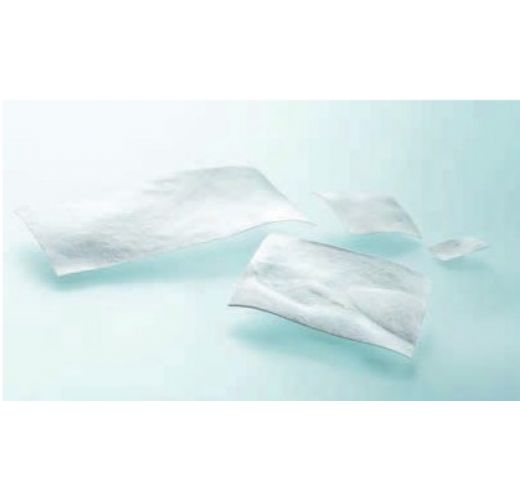
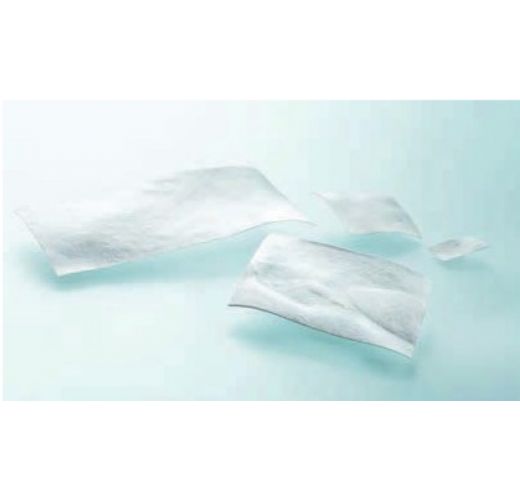
Resorbable membranes are essential in guided bone regeneration (GBR), implant dentistry and periodontal surgery. They act as a biological barrier, protecting bone grafts and promoting predictable bone and soft tissue regeneration.
Their biocompatibility, handling properties and gradual resorption simplify surgical protocols by eliminating the need for membrane removal.



Related categories
Soluciones para Resorbable Membranes
Resorbable membranes in guided bone regeneration
Resorbable membranes are a key component of guided bone regeneration (GBR) procedures in implant dentistry and oral surgery. They create a barrier between the bone defect and the surrounding soft tissues, allowing osteogenic cells to regenerate bone without soft tissue interference.
Their gradual resorption eliminates the need for a second surgical intervention while maintaining the protected regenerative space during healing.
Clinical applications
Resorbable membranes are commonly used for:
- Guided bone regeneration (GBR)
- Sinus floor elevation
- Socket preservation
- Periodontal regeneration
- Soft tissue regenerative procedures
Key characteristics
High-quality resorbable membranes provide:
- Excellent handling, even when hydrated
- High tear resistance
- Easy adaptation to the surgical site
- Fixation with sutures, pins or osteosynthesis screws
- Reliable barrier function during healing
- Progressive resorption
- Excellent biocompatibility
Importance in regenerative dentistry
Combined with xenografts, allografts or synthetic bone substitutes, resorbable membranes contribute to stable graft protection and predictable regenerative outcomes, making them essential in modern implantology and regenerative surgery.