
Sutures and wound closure
Sutures are essential in oral surgery, periodontology and mucogingival procedures, providing stable tissue closure and predictable healing. The choice of thread, gauge and needle type has a direct impact on flap stability, marginal adaptation and tension control.
At Sanhigía you will find resorbable and non-resorbable sutures, monofilament or multifilament options, as well as tissue adhesive for procedures requiring minimal tension or rapid closure.


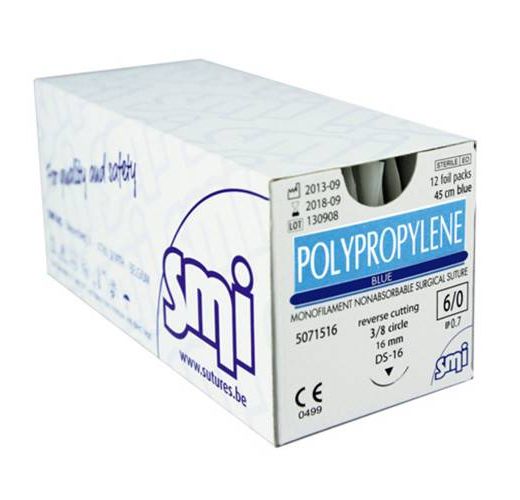
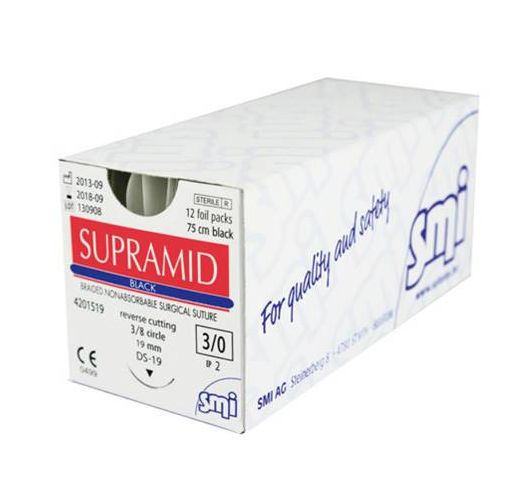
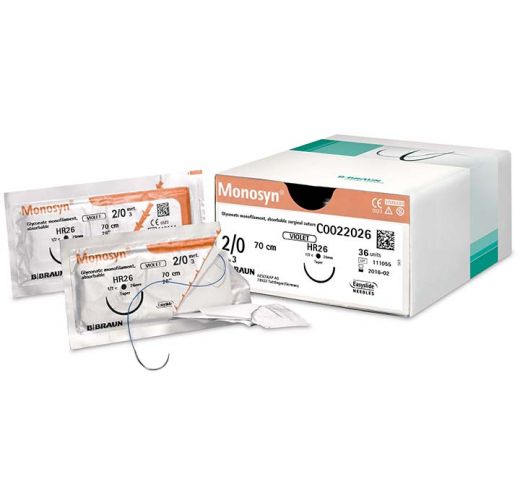

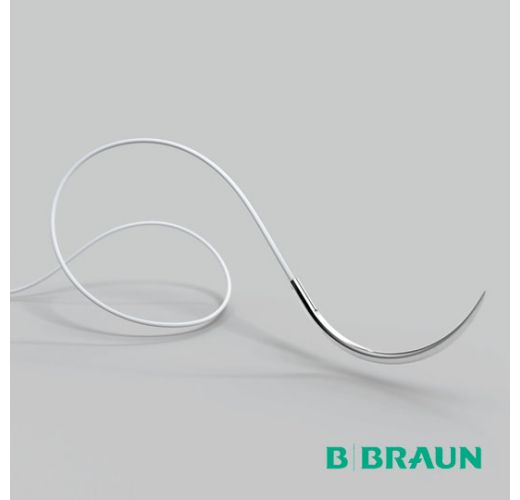
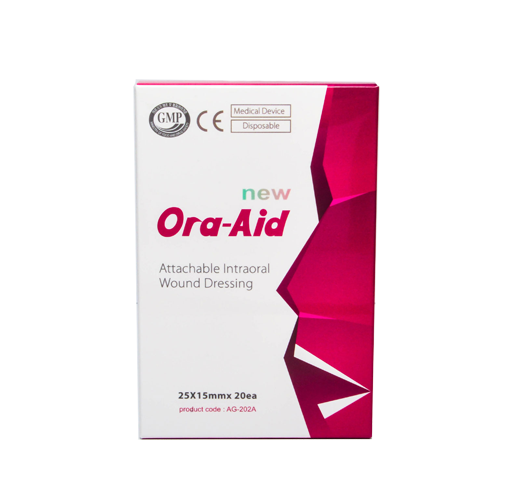
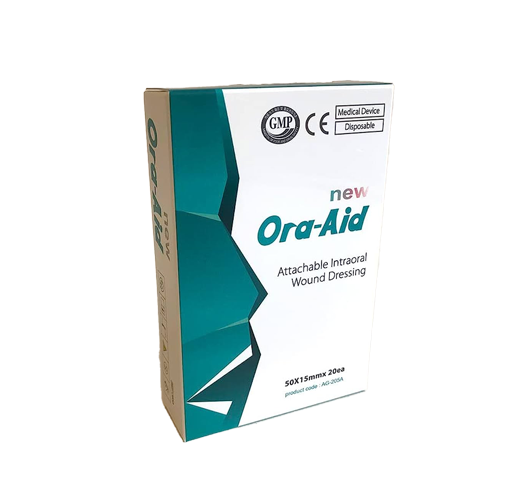
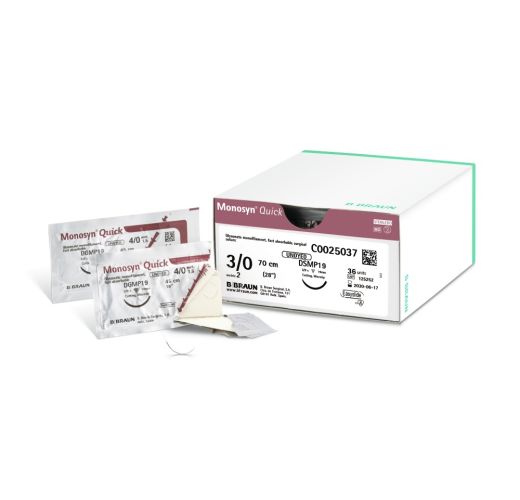
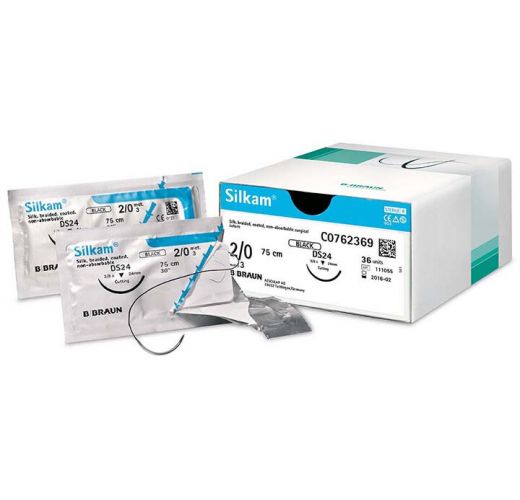
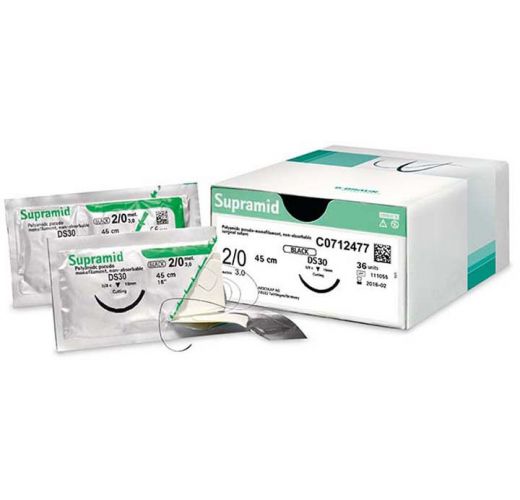
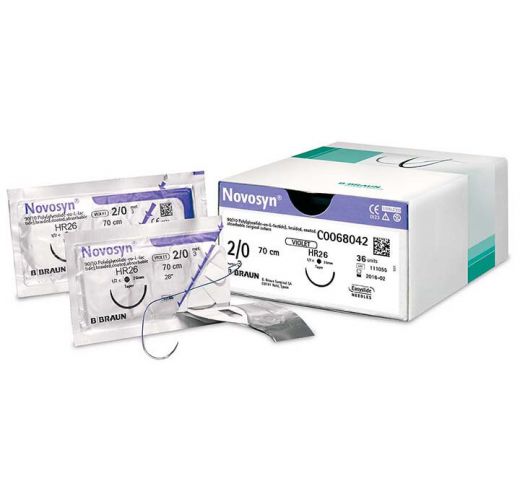
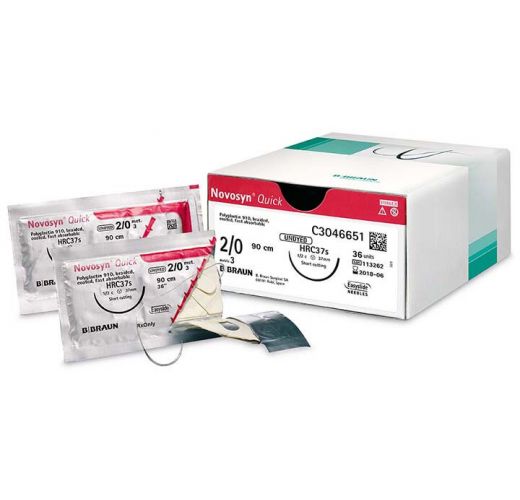
Related categories
Soluciones para Sutures and wound closure
Sutures help control soft tissue positioning after periodontal, regenerative, implant or mucogingival procedures. Proper closure reduces the risk of dehiscence, protects grafts and promotes primary healing.
Clinicians select suture material based on technique, required stability and tissue sensitivity, using non-resorbable monofilaments in high-tension areas and long-lasting resorbable options in regenerative procedures.
Clinical indications
Sutures are used in:
-
Periodontal surgery (flaps, regeneration, grafting)
-
Mucogingival surgery (root coverage, connective tissue grafts)
-
Implant surgery (incision closure, peri-implant tissue management)
-
Minor oral and maxillofacial surgery
-
Complex extractions or cases with risk of dehiscence
Types of sutures
Resorbable
Indicated when removal is not desired or prolonged support is needed in regenerative defects. Common materials: polyglycolic acid (PGA), PGCL, polydioxanone (PDO).
Non-resorbable
Provide greater stability in tensioned areas or mucogingival procedures. Common materials: nylon, polypropylene, polyester, ePTFE.
Tissue adhesive
An alternative for rapid closure, low-tension procedures or support in mucogingival techniques.
At Sanhigía, we select sutures designed to optimise tissue handling, minimise inflammation and promote predictable healing, offering specific options for every surgical technique and tissue type.