
Cyanoacrylate oral adhesive
Cyanoacrylate tissue adhesive is a wound closure solution used in oral surgery, implantology and periodontics, particularly in procedures where minimizing sutures is desirable.
It provides rapid and controlled sealing, protecting the surgical site and supporting postoperative management.


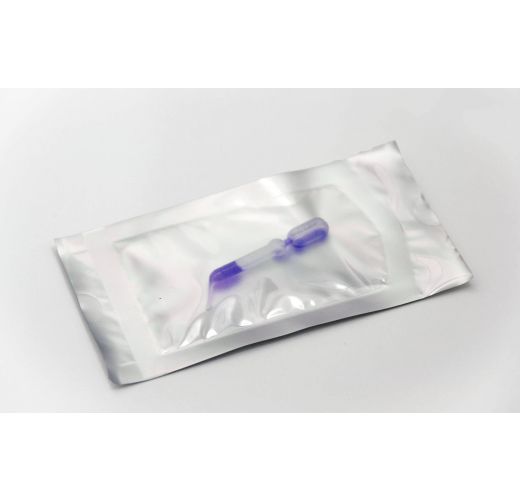
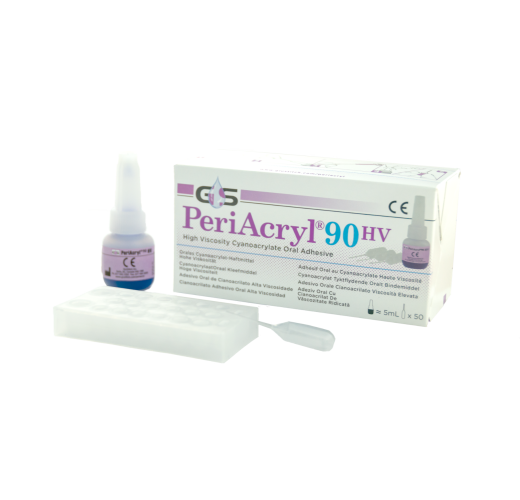
Soluciones para Cyanoacrylate oral adhesive
What Is Cyanoacrylate Tissue Adhesive in Dentistry?
Dental tissue adhesive based on cyanoacrylate is a mucosal closure system that polymerizes rapidly when in contact with tissue moisture. Once applied to approximated wound edges, it forms a protective film that stabilizes the closure.
In oral surgery, it is used as an alternative or adjunct to conventional sutures in selected cases with low flap tension.
Clinical Indications in Implant and Oral Surgery
Cyanoacrylate tissue adhesive is indicated for:
-
Closure of small mucosal incisions
-
Minimally invasive procedures
-
Simple surgical extractions
-
Sealing after immediate implant placement (selected cases)
-
Periodontal procedures with low tissue tension
It allows simplification of specific surgical protocols.
Clinical Advantages
Reduced surgical time
Application is quick and technically straightforward, improving workflow efficiency.
Improved patient comfort
-
Less mechanical irritation compared to sutures
-
No need for suture removal
-
Enhanced postoperative experience
Protective barrier effect
The polymerized layer acts as a barrier against external agents and contributes to initial hemostatic control.
Clinical Considerations
Tissue adhesive does not replace sutures in high-tension flaps or extensive regenerative procedures. Its indication depends on:
-
Tissue stability
-
Proper edge approximation
-
Dry surgical field
-
Adequate bleeding control
In complex bone regeneration or large flap surgeries, suturing remains the standard approach.
Role in Minimally Invasive Surgery
As implant dentistry evolves toward minimally invasive protocols, cyanoacrylate tissue adhesive serves as a complementary tool that helps:
-
Reduce tissue manipulation
-
Simplify wound closure in selected cases
-
Optimize postoperative management
When properly indicated, it enhances clinical efficiency while maintaining procedural safety.